On 28 October, Google switched on AI Mode ads in New Zealand. You now have the ability to advertise to users across both of Google’s AI search platforms, the same platforms that have driven Google’s highest query growth in five years.
So if you’ve been treating AI search like a trivial side project, it’s time to get serious. Below we discuss the new AI search ads updates, what they mean for NZ businesses, and our recommendations going forward.
Paid AI search opportunities expand with Google AI Mode
Google announced that PPC ads in AI Mode are now expanding to ten markets outside the US, New Zealand and Australia among them. This follows the introduction of ads in AI Overviews back in December 2025.
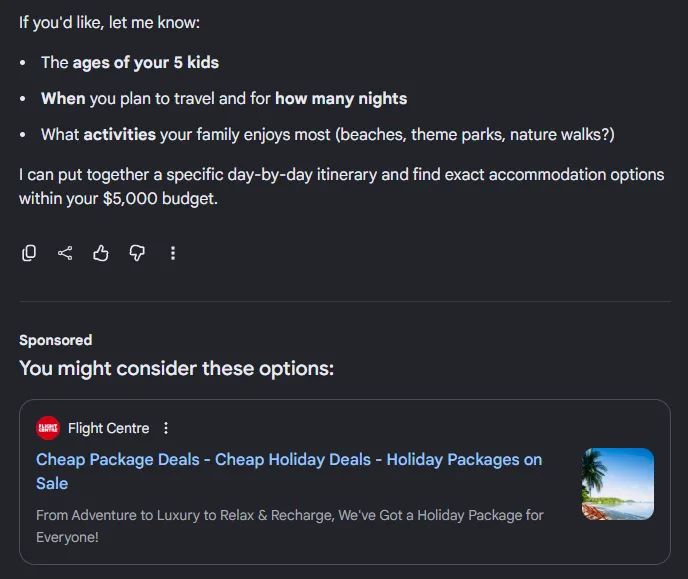
The AI Mode ads carry a “Sponsored” label and appear inside the AI response. English is the only supported language for now.

Google backed the launch with two claims. AI Mode queries are on average three times longer than a traditional search, and sponsored product listings in AI Mode get click-through rates similar to the organic listings beside them.
Like AI Overviews ads, AI Mode ads don’t have their own campaign type. Instead, they can appear from existing Performance Max, Shopping and Search campaigns using broad match (including AI Max for Search). Text ads and Shopping ads are the only eligible ad formats. Advertisers can’t target AI Mode placements directly or opt out of them.
Google admits AI Mode ads earn less
The same week, on Alphabet’s third-quarter earnings call, Google’s chief business officer Philipp Schindler said AI Mode queries currently monetise at a lower rate than traditional search. Search revenue still grew 12% year on year, but growth has slowed from 19% in the first quarter.
Google’s answer to decreased monetisation rates is greater ad quantity: wider distribution of ads in AI Overviews and multiturn ads in AI Mode. (In the US, Google has already launched multiturn ads, which can appear in a follow-up question as well as the first one.)
Google didn’t specify why AI Mode earns less, but the likely explanations are that many AI Mode questions sit early in the buying process, and a complete answer leaves people with less reason to click. And some AI Mode ads display at the end of the response, rather than at the top like traditional search ads.
What to expect from Google AI ads going forward
- More ad placements inside AI answers, and more testing of where they sit.
- Shifting costs and performance while the auction learns from far less historical data than classic search has.
- Murkier reporting. Google’s reporting doesn’t separate clicks from traditional results, AI Overviews and AI Mode, so watch blended results closely and test changes properly before rolling them out.
How to prepare for AI Mode advertising campaigns
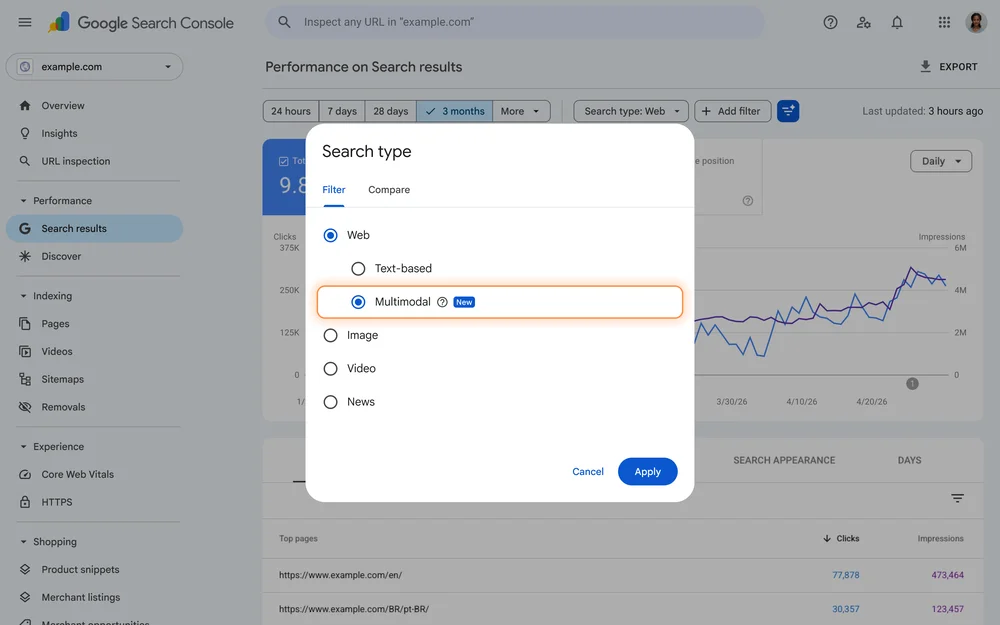
- Set a baseline. Note your current Google Ads and Search Console numbers before you change anything, so you can tell what the shift to AI results is doing to your performance.
- Fix your product and business data. AI Mode ads draw on product feeds, so wrong prices or stock now show up in more places.
- Test AI Mode ads with a clear hypothesis. Start with Shopping and broad match campaigns that already perform, ring-fence a test budget, and judge it on conversions rather than clicks.
Where Search Republic can help
Our Google Ads team can help you get ready for ads in AI Mode, from auditing your product feeds and landing pages to setting up a ring-fenced test campaign and reporting on the results. If you’d like to explore how your business could appear in Google’s AI search ads, get in touch.